Our solution

Natural rock climbing structures designed for outdoor spaces

How we build it

01

Selecting rock at the quarry

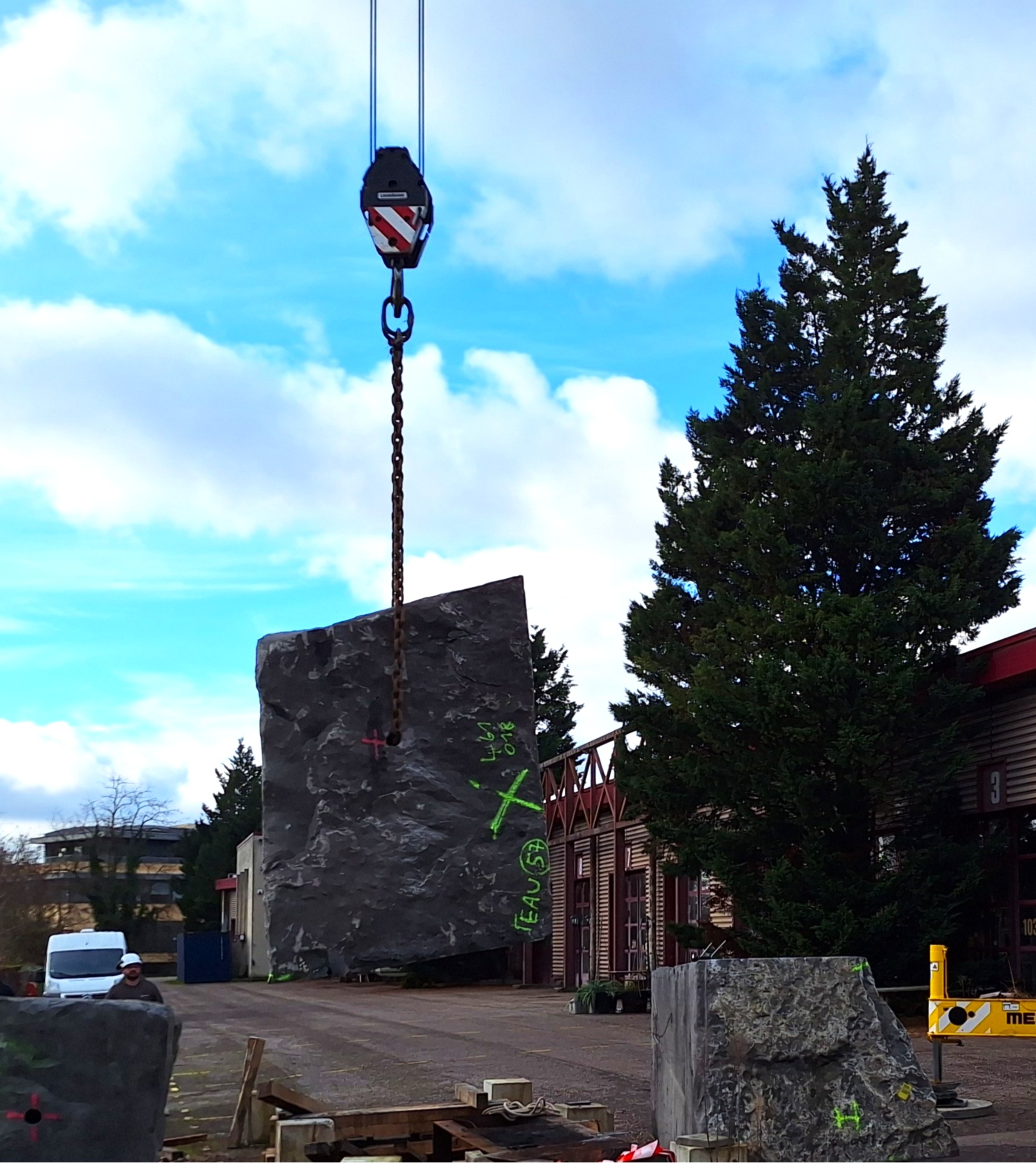
Everything starts at the quarry with the careful selection of our boulders. Most are unused quarry offcuts. We seek the best balance between size, climbing potential and the natural appearance of the stone.

To reduce our carbon footprint and maintain a strong connection to each region, we source rock as close as possible to our clients. We can work with many types of quarry, provided that the rock is suitable for climbing (non-friable).

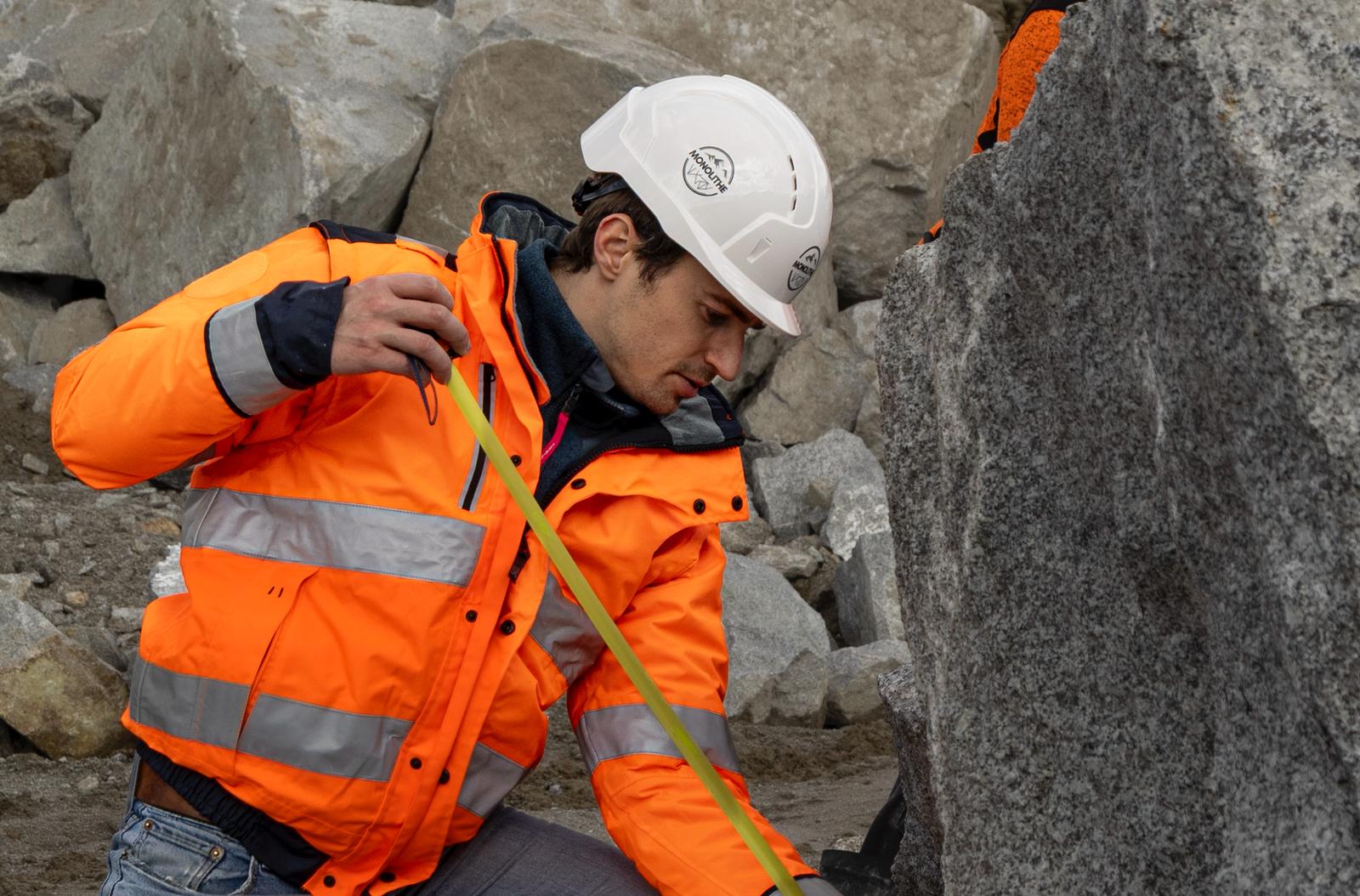
Selecting massive rock boulders at the quarry
Selecting massive rock boulders at the quarry.
02

Detailed engineering

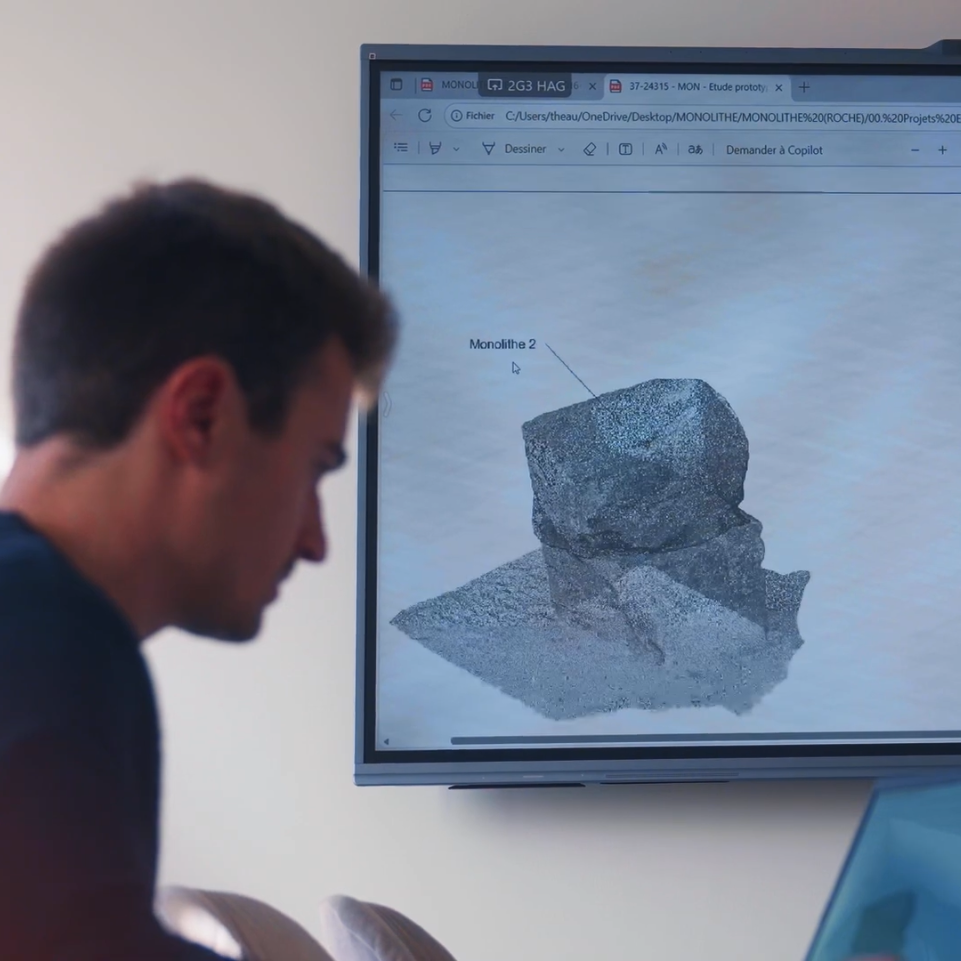
Once the boulders have been selected, a technical engineering phase defines the optimal conditions for assembly and route setting. Every project undergoes a full structural analysis.

For every installation, structural calculations and detailed construction drawings are provided to demonstrate compliance with applicable standards and the structural reliability of each Monolithe installation.

Detailed computer modelling for a Monolithe project
Technical engineering and project modelling before construction.
03

Installation and assembly

  • Horizontal cutting of the bearing surface to ensure stability.
  • Core drilling to create anchor recesses where required.
  • Steel connecting bars secured in place where required.
  • Positioning the boulders on the prepared foundations.
  • Finishing work: cleaning, visual adjustments and light stone shaping where needed.
Positioning and assembling a Monolithe installation on site
Positioning and assembling the boulders on site.
04

Creating the impact-absorbing surface

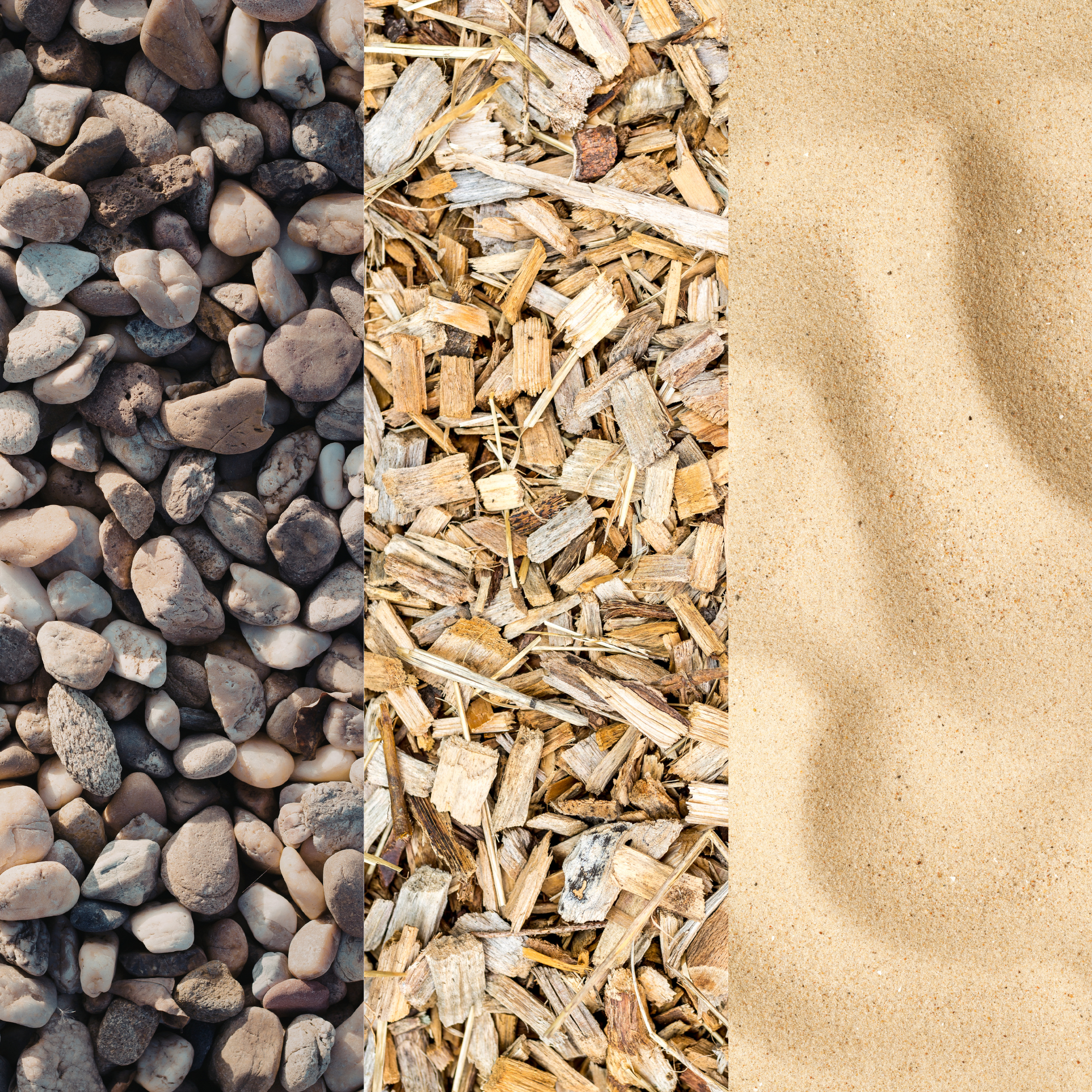
Once the boulders are installed, an impact-absorbing landing surface is installed to protect climbers. It generally consists of 8/16 rounded gravel laid to a depth of 40 cm, in accordance with the recommendations of NF EN 12572-2 and the FFME for outdoor climbing structures without permanent mats.

Other materials may be used provided that they meet the required impact-absorption coefficient under the applicable standard.

Plateforme absorbante en gravier autour d'un Monolithe
The landing surface can be made from rounded gravel, sand or wood chips.
05

Route setting and documentation

Once the boulders are installed, a team of professional climbers tests and validates potential lines, lightly shapes the rock where necessary and assesses each route’s grade.

  • Creation of small natural features, without adding artificial holds.
  • Grades and difficulty distribution based on the client’s objectives and the characteristics of the boulder.
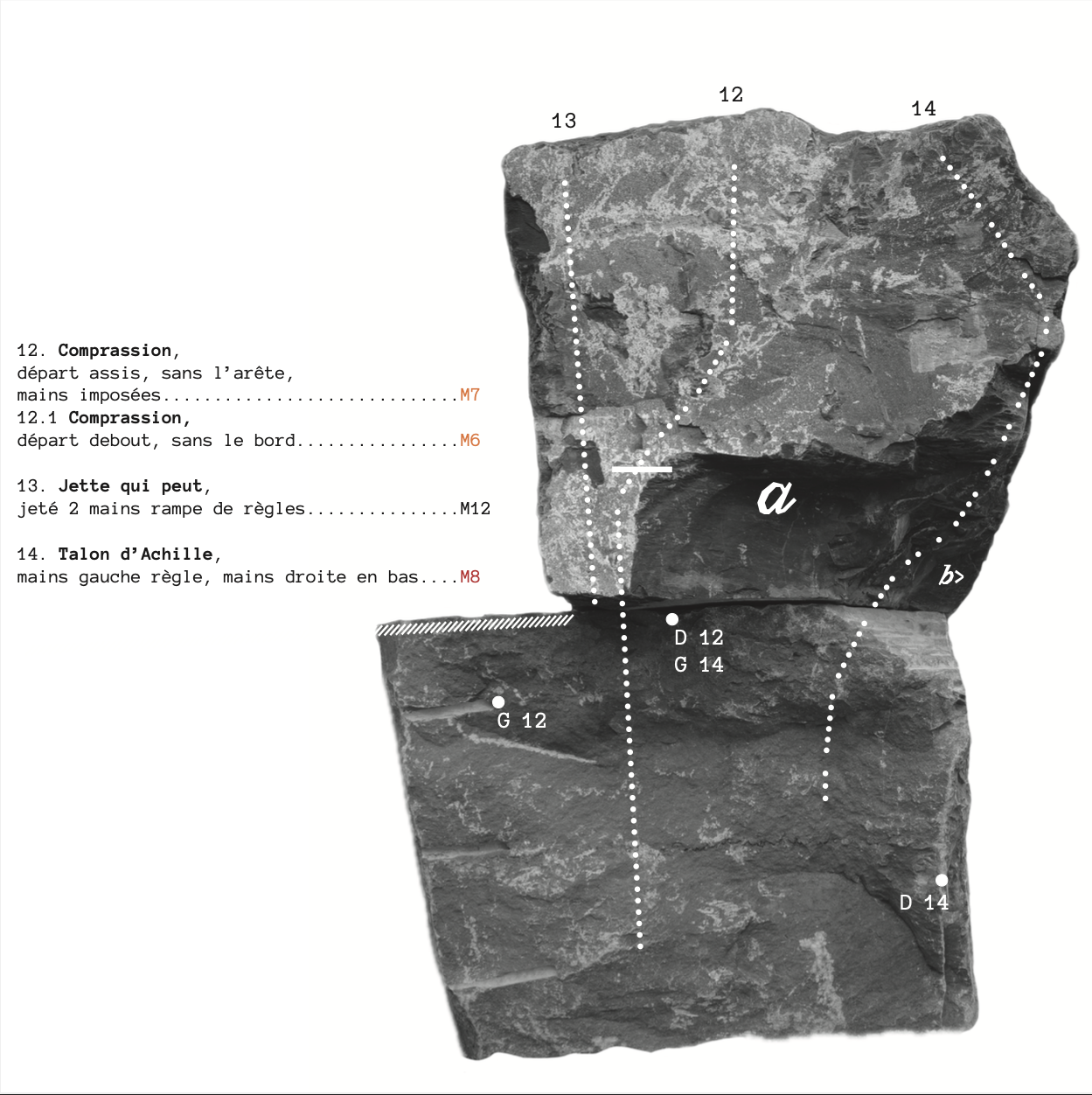
  • Publication on the Monolithe website, and on the local authority’s website where appropriate.
  • On-site information panel with a boulder plan, grades and safety guidance.
Monolithe climbing guide available online
Example of a Monolithe climbing guide documenting the routes.
06

Safety and regulatory compliance

At Monolithe, safety is never an afterthought.

Every project is designed around one clear requirement: delivering a safe, intuitive and fully compliant public facility.

We comply with all applicable standards and work directly with the French Mountaineering and Climbing Federation to ensure that every project meets the relevant technical and regulatory framework.

Boulder height, landing-surface performance, layout, fall zones, signage and conditions of use are all addressed from the earliest design stage, never added at the end of the process.

Compliance with standards

Our installations comply with NF EN 12572-2, which governs outdoor bouldering structures up to four metres high.

On-site signage

Every project includes clear signage with conditions of use, grades and route information for climbers.

Safety-led engineering

Every project is individually engineered by a specialist engineering firm, then independently checked to verify and document the stability of each Monolithe installation.
Our vision
“Through its sculptural, mineral presence, every Monolithe installation becomes an architectural feature in its own right—enhancing public spaces while supporting an inclusive, playful sporting activity.

Our solution is designed both for public decision-makers seeking sustainable, innovative facilities and for people who want an accessible outdoor sport without unnecessary constraints.”

Théau and Victor, co-founders of Monolithe